
 Ashu
- 12 Nov, 2026
Renting vs Buying a House in 2026 — The Real Math (and How Long You Must Stay)
"You're throwing money away on rent." You have heard it from family, friends and probably a real estate agent. In 2026 that advice needs a calculator, not a slogan. Freddie Mac's survey for the week ending November 12, 2026 puts the average 30-year fixed mortgage at 7.11% — down from 7.18% the week before, the fourth weekly decline in a row. The National Association of Realtors' October 2026 report puts the median existing-home price at $416,700, up 0.4% on a year earlier, while sales fell to their lowest pace since August 2010. At these rates the gap is wide — and the real question is not "rent or buy?" but "how long will you stay?"Photo: The median existing home sold for $416,700 in October 2026 — but the median is not your price. Run the math on the home you would actually buy. (Photo: Pexels) What You Will LearnThe real monthly cost of owning at 7.11% The round-trip cost that sets a minimum stay Why two calculators give breakeven answers years apart The price-to-rent test for your own city What the tax deduction really saves The stay testStep 1: Count the full monthly cost of owning — not just the mortgage What to do: Add up every monthly cost of owning first. How: Most calculators show principal and interest only; the Consumer Financial Protection Bureau warns that understates the real bill. Take a home at $417,000 — the national median, rounded — with 20% down ($83,400), so the loan is $333,600. At the 7.11% 30-year fixed rate from Freddie Mac's November 12, 2026 survey, principal and interest come to $2,244 a month. Then add tax at about 1% of value a year ($348), insurance at about 0.5% ($174), and maintenance at about 1% ($348). The all-in cost is about $3,113 a month — about $1,013 more than rent of $2,100, or roughly $12,155 a year. Example: In year one, about $23,612 goes to interest and only about $3,318 pays down the loan. Common mistake: Comparing rent with principal and interest only. Tax, insurance and maintenance add about $870 a month here.Illustrative diagram - The six steps to the real rent-vs-buy answer. NOT a real Freddie Mac screenshot. Step 2: Price the round trip — what it costs to get in and out What to do: Add the cost of buying and the cost of selling. How: On a $417,000 home, closing costs of about 3% are about $12,510, and selling costs of about 6% about $25,020. The round trip is about $37,530 — roughly 9% of the price, gone whether the home's value rises or falls. Five years of the $1,013-a-month gap is about $60,774, plus the $37,530. Only two things can repay that $98,000-plus: the equity you build, and any rise in the home's value. In year one you build only about $3,318. The CFPB warns: sell within the first few years and you may have no more equity than you started with. Example: Stay two years, then sell: about $24,000 more than rent plus about $37,530 round-trip, while paying down only about $6,800 of the loan. Common mistake: Treating the down payment as the cost of buying. It comes back when you sell; the $37,530 round trip does not.Illustrative diagram - Owning a $417,000 home costs about $3,113 a month all-in, against $2,100 rent. NOT a real Freddie Mac screenshot.Photo: The down payment comes back when you sell — the roughly $37,500 round trip of closing and selling costs does not. (Photo: Pexels)Illustrative diagram - The round trip: about $37,530 to get in and out of a $417,000 home. NOT a real CFPB screenshot. Step 3: Find your breakeven — and distrust any single number What to do: Run a rent-vs-buy calculator, then run it again with different assumptions. How: Breakeven is the year when owning, counting the equity you keep, finally costs less than renting. Two honest calculators give very different answers because they assume different futures. One calculator's example — a $430,000 home, 20% down, 6.3%, $2,100 rent — puts breakeven at 10 or more years, 15 or more at 6.3% to 7.5%. Another, assuming 3.5% price growth, 3% rent growth and the monthly gap invested, finds about 5 years and 4 months. Same question, answers five to ten years apart. The CFPB's advice: try several scenarios and look at the range. Both were also run below today's 7.11%, and a higher rate pushes breakeven later. Example: At 3.5% a year, a $417,000 home is worth about $495,000 after five years; flat, it is still worth $417,000. One assumption moves the answer by years. Common mistake: Quoting one breakeven year as a fact. Quote the assumptions with the year.Illustrative diagram - Two calculators, two answers: the assumptions are the answer. NOT a real calculator screenshot. Step 4: Run the price-to-rent test on your own city What to do: Divide the price by a year's rent for a comparable place, and read it against the 15 and 20 lines. How: Price-to-rent is the quickest screen: price divided by annual rent for a similar home. Under about 15 usually favours buying, over about 20 usually favours renting, and 15 to 20 is the grey zone. Our example — $417,000 against $25,200 of annual rent — is 16.5, inside the grey zone. But local differences are huge: the October 2026 median is $324,300 in the Midwest and $360,900 in the South, against $519,600 in the Northeast and $624,300 in the West. Run it on the home you would actually buy and the rent you would actually pay, in the same neighbourhood. Example: A $300,000 home at $2,100-a-month rent gives 11.9 — buying usually wins. A $600,000 home at the same rent gives 23.8 — renting usually wins. Common mistake: Using the national median price and a national average rent. The ratio only means something with local numbers.Illustrative diagram - Price-to-rent: under 15 usually favours buying, over 20 usually favours renting. NOT a real NAR screenshot.Photo: The rent-vs-buy answer changes by city — the median is $324,300 in the Midwest and $624,300 in the West. Test your own neighbourhood. (Photo: Pexels) Step 5: Check the tax deduction honestly — it may save you nothing What to do: Check whether the deduction beats your standard deduction. How: The IRS lets homeowners who itemize deduct the interest on the first $750,000 of mortgage debt for loans after December 15, 2017 (Publication 936). But only if you itemize on Schedule A — take the standard deduction and you get nothing. The deduction also shrinks every year: year-one interest here is about $23,612, and it only goes down. Publication 936: the PMI deduction has expired, and home-equity interest is deductible only if the money was used to buy, build or improve the home. With less than 20% down you also pay PMI of about 0.55% a year — about $153 a month here — not deductible. Example: Itemize and you save tax on $23,612 of first-year interest. Take the standard deduction and you save $0. Common mistake: Treating the interest as a refund. It is a deduction, and only if you itemize. Step 6: Decide on time, money and life — the stay test What to do: How long will you stay, can you afford the worst month, and would a move be your choice? How: First, the stay: buying only wins if you stay long enough to repay the round trip — roughly $37,530 plus years of a $1,013-a-month gap. If you may move within a few years, the CFPB says renting may be better. Second, the money: closing costs, a repair reserve, and an emergency fund on top of the down payment. If a $5,000 repair would go on a credit card, you are not ready. Our earlier guides cover affordability — see how much house can you afford in the USA in 2026 and how much down payment you need to buy a house. Third, the life: renting buys flexibility, owning buys stability and space. If rates fall later, refinancing is the escape hatch — see should you refinance your mortgage in 2026. Example: Two buyers, same home: one stays ten years and sells after the round trip is repaid; the other moves after two years and pays the round trip twice, with almost no equity built. Common mistake: Buying because rent feels wasted, while ignoring the stay. A short stay in a bought home is the most expensive housing of all.Illustrative diagram - Six mistakes that make rent vs buy go wrong. NOT a real CFPB screenshot. Checklist ☐ Full monthly owning cost counted. ☐ Round-trip costs priced — about 9% of the price. ☐ Breakeven run on two calculators, assumptions written down. ☐ Price-to-rent run on local numbers. ☐ Tax deduction checked — do I itemize? ☐ Down payment, closing costs, repair reserve saved. ☐ Honest stay answer — long enough to repay the round trip? FAQ Is it better to rent or buy a house in 2026? It depends on how long you will stay. At 7.11%, owning a $417,000 home costs about $3,113 a month all-in against about $2,100 rent, with a round trip of about $37,530. How long must you stay for buying to beat renting? No single number. One model puts breakeven at 10 or more years (15 or more at 6.3% to 7.5%); another, with 3.5% price growth, 3% rent growth and the gap invested, puts it at about 5 years and 4 months. What is a good price-to-rent ratio? Under about 15 usually favours buying, over about 20 usually favours renting. Our example is 16.5. Use local numbers. Does the mortgage interest deduction make buying cheaper? Only if you itemize. The IRS lets you deduct interest on the first $750,000 of mortgage debt for loans after December 15, 2017; with the standard deduction you get nothing. What mortgage rate should I use in the rent-vs-buy math? The latest one. Freddie Mac's survey for the week ending November 12, 2026 puts the 30-year fixed at 7.11% and the 15-year at 6.45%. SourcesFreddie Mac, Primary Mortgage Market Survey, week ending November 12, 2026 — 30-year fixed 7.11%, 15-year 6.45% (opened live November 12, 2026): https://www.globenewswire.com/news-release/2026/11/12/3402013/0/en/mortgage-rates-decline-for-fourth-consecutive-week-to-7-11.html National Association of Realtors, Existing-Home Sales, October 2026 — median price $416,700, single-family $421,900 (opened live November 12, 2026): https://www.nar.realtor/newsroom/existing-home-sales-decreased-5-5-percent-october-nar-report IRS Publication 936 (2025), Home Mortgage Interest Deduction — $750,000 limit, PMI deduction expired (opened live November 12, 2026): https://www.irs.gov/publications/p936All figures checked November 12, 2026. Breakeven figures are calculator results quoted with their assumptions. Disclaimer: For education only, not mortgage, tax or investment advice. Rates and rules change often — get your own quotes before you buy or rent.

- Ashu
- 12 Nov, 2026
Health Insurance Open Enrollment in 2026 — How to Choose a Plan (and What Changed on Subsidies)
Open enrollment is open right now, for 2027 coverage — not 2026 — and it closes on January 15, 2027. The rules changed more this year than in any year since the Marketplace began. The biggest change: the enhanced premium tax credits that ran from 2021 through 2025 expired on December 31, 2025, and Congress has not restored them. Credits are back to the Affordable Care Act structure — only for households between 100% and 400% of the federal poverty level, with a hard cliff above 400%. Figures checked November 12, 2026.Photo: Open enrollment for 2027 coverage is open now — but the subsidy rules are different this year. (Photo: Pexels) What You Will LearnThe two deadlines that decide when coverage starts Your income as a share of the poverty level What you will pay toward a Silver plan Which metal tier fits, and why Silver matters How to compare total cost, not just the premiumStep 1: Mark the two deadlines What to do: Put December 15, 2026 and January 15, 2027 in your calendar — they do different jobs. How: On HealthCare.gov, open enrollment for 2027 coverage runs November 1, 2026 to January 15, 2027. Enroll by December 15, 2026 for coverage from January 1, 2027, once you pay the first premium. Enroll December 16 to January 15 and coverage starts February 1, 2027 — you lose a month. After January 15 you generally cannot enroll or change plans unless you qualify for a Special Enrollment Period. State-run exchanges set their own dates. Example: Pick a plan on December 14 and you are covered from January 1; pick it on December 16 and coverage starts February 1 — January is uninsured. Common mistake: Treating January 15 as the only deadline and losing a month of coverage.Illustrative diagram - The six steps to choosing a 2027 health plan. NOT a real HealthCare.gov screenshot. Step 2: Find your income as a share of the poverty level What to do: Work out where your 2027 income sits against the federal poverty level (FPL) before you shop — it decides whether you get any help. How: For 2027 coverage the Marketplace uses the 2026 HHS guidelines: $15,960 for one person and $33,000 for a family of four in the 48 contiguous states and D.C., plus $5,680 for each extra person (Alaska and Hawaii are higher). Credits are available only between 100% and 400% of FPL: the cliff is $63,840 for one person, $132,000 for a family of four. One dollar above the line and the whole credit is $0. Below 100% you generally get no credit either — check Medicaid. Use expected 2027 income, not last year's tax return. Example: A single person expecting $40,000 in 2027 is at about 251% of poverty — inside the range. Common mistake: Shopping before checking your FPL band.Illustrative diagram - The 2027 open enrollment calendar: two deadlines, two start dates. NOT a real HealthCare.gov screenshot.Photo: Your income against the poverty level decides whether you get any help at all — check it before you shop. (Photo: Pexels)Illustrative diagram - The subsidy range for 2027: 100% to 400% of the poverty level, then a hard cliff. NOT a real IRS screenshot. Step 3: Work out what you will actually pay What to do: Estimate your expected contribution toward the benchmark Silver plan. How: The credit is the benchmark premium minus your expected share of income. For 2027 that share runs from 2.15% of income at the bottom to 10.22% at the top (IRS Rev. Proc. 2026-26). Do not use last year's figure: for the 2026 plan year the top rate was 9.96% (Rev. Proc. 2025-25). The rate rises with income — about 4.30% at 150% of poverty, 6.78% at 200%, 8.66% at 250% — and is flat at 10.22% from 300% to 400%. Job-based cover has its own test: for 2027 your employer's self-only premium counts as affordable if it costs you no more than 10.22% of household income (9.96% for the 2026 plan year). Example: A single person at $31,920 — exactly 200% of poverty — pays about 6.78% of income, about $2,164 a year, about $180 a month, toward the benchmark plan; the credit covers the rest. Common mistake: Using the 9.96% figure for 2027 coverage — that was the 2026 plan-year rate.Illustrative diagram - What you are expected to pay in 2027: 2.15% to 10.22% of income. NOT a real IRS screenshot. Step 4: Pick the metal tier — and check Silver first if you earn under 250% of poverty What to do: Choose the tier by how much care you expect to use, not by the lowest premium alone. How: Plans come in four metal tiers showing roughly what share of covered costs each pays: Bronze about 60%, Silver about 70%, Gold about 80% and Platinum about 90% (HealthCare.gov). If your income is 100–250% of the poverty level, look at Silver first: cost-sharing reductions — lower deductibles, copays and out-of-pocket maximums — are available only on Silver plans. At 100–150% of poverty a Silver plan pays about 94% of covered costs, at 150–200% about 87%, and at 200–250% about 73% — better than Gold cover for a Silver premium. Bronze and catastrophic plans can now pair with a health savings account in 2027 (reported) — see HSA vs FSA in 2026: which one saves you more. Example: At 180% of poverty, Bronze looks cheaper each month — but Silver pays 87% of covered costs against Bronze's 60%, so one hospital visit can erase a year of premium savings. Common mistake: Picking Bronze for the low premium while qualifying for Silver cost-sharing reductions.Photo: Compare tiers on the Marketplace, not on premium alone — Silver can beat Bronze if your income is under 250% of poverty. (Photo: Pexels)Illustrative diagram - Silver with cost-sharing reductions can pay more than Gold. NOT a real HealthCare.gov screenshot. Step 5: Compare the total cost, not just the premium What to do: Add up the full year — premium, deductible, copays and out-of-pocket maximum — for each plan on your shortlist. How: Benchmark Silver premiums are up 13% on average for 2027 (KFF, reported), so last year's premium is no guide. CMS says more than 75% of HealthCare.gov shoppers will still have access to a plan at $50 a month or less after credits — but people above the subsidy cliff pay full price. Beyond the premium, check the deductible, the out-of-pocket maximum ($12,000 for an individual in 2027, reported), and whether your doctors and prescriptions are in-network. If a bill still lands, see how to negotiate medical bills in 2026. Example: Plan A: $280 a month, $6,000 deductible. Plan B: $340 a month, $1,500 deductible. With $4,000 of care, Plan A costs $3,360 + $4,000 = $7,360. Plan B costs $4,080 + $1,500 = $5,580 before copays. The higher premium is cheaper overall. Common mistake: Choosing the cheapest premium and discovering the deductible at the first hospital visit. Step 6: Enroll before the deadline — and know what happens if you miss it What to do: Apply on HealthCare.gov (or your state exchange) and pay the first premium. How: Have ready: Social Security numbers, your employer's details, and your best estimate of 2027 household income — guess too low and you may repay some credit at tax time. The year-round window for households under 150% of poverty is gone for 2027 — low income alone no longer opens enrollment during the year. Outside open enrollment you can generally enroll only with a qualifying life event — job loss, marriage, a baby, a move — through a Special Enrollment Period, usually 60 days from the event. Medicaid and CHIP take applications all year. One thing is not settled: the House passed a three-year extension (H.R. 1834, 230–196) on January 8, 2026, but the Senate has not acted and it is not law — enroll under the current rules; if Congress restores the credits later, the Marketplace will recalculate them. Example: You lose your job on March 1 — that qualifying event usually gives you about 60 days to enroll. Common mistake: Waiting for Congress to restore the credits before enrolling — the deadline will not wait.Illustrative diagram - Six mistakes that cost shoppers money. NOT a real HealthCare.gov screenshot. Checklist☐ December 15, 2026 in the calendar (January 1 coverage); January 15, 2027 as the last day. ☐ 2027 income checked against the poverty level and the 400% cliff. ☐ Expected contribution worked out (2.15%–10.22% of income for 2027). ☐ Silver compared first if I earn under 250% of poverty. ☐ Doctors and prescriptions checked in-network. ☐ Total yearly cost compared, not just the premium. ☐ First premium paid — coverage does not start until it is.FAQ When is open enrollment for 2027 health insurance? November 1, 2026 to January 15, 2027 on HealthCare.gov. Enroll by December 15, 2026 for January 1, 2027 coverage; December 16 to January 15 means coverage from February 1, 2027. What changed on subsidies for 2027? The enhanced credits expired December 31, 2025. Credits follow the original Affordable Care Act rules: income between 100% and 400% of the poverty level only, with a hard cliff above 400%. The top expected contribution is 10.22% of income for 2027, up from 9.96% for 2026. What income qualifies for a premium tax credit in 2027? From 100% to 400% of the 2026 federal poverty guidelines: $15,960 to $63,840 for one person, $33,000 to $132,000 for a family of four. What happens if my income is $1 over the 400% cliff? The whole credit disappears — $0. At $63,840 a single person still gets a credit; at $63,841 there is none. Can I enroll after January 15, 2027? Only with a qualifying life event (job loss, marriage, baby, move), through a Special Enrollment Period, usually within 60 days of the event. Medicaid and CHIP accept applications all year. SourcesHealthCare.gov, When can you get health insurance? (opened live November 12, 2026): https://www.healthcare.gov/quick-guide/dates-and-deadlines/ U.S. Internal Revenue Service, Rev. Proc. 2026-26 — 2027 Applicable Percentage Table and Required Contribution Percentage (opened live November 12, 2026): https://www.irs.gov/pub/irs-drop/rp-26-26.pdf Centers for Medicare & Medicaid Services, Plan Year 2027 Marketplace Plans and Prices Fact Sheet (opened live November 12, 2026): https://www.cms.gov/newsroom/fact-sheets/plan-year-2027-marketplace-plans-prices-fact-sheet-0All figures checked November 12, 2026, against HealthCare.gov, the IRS and CMS. Poverty figures are the HHS 2026 guidelines (reported); the premium change is from KFF's October 30, 2026 analysis (reported). Disclaimer: For education only, not insurance, tax or medical advice. Confirm your own figures on HealthCare.gov before you enroll.

- Ashu
- 11 Nov, 2026
Car Insurance Rates in 2026 — What You Should Pay, and How to Lower Your Premium
Your renewal just arrived $35 a month higher than last year, and nothing about you changed — same car, same address, no tickets. NerdWallet's November 2026 analysis puts the median full-coverage premium up 32% since January 2023. But the national average is not your price. Depending on the source and the driver, full coverage in 2026 runs from about $187 to $238 a month. Here is the benchmark, the levers that move your quote, and six steps to a lower premium. All figures were checked on November 11, 2026.Photo: Your renewal is not your price — the national benchmark for full coverage in 2026 is $187 to $238 a month. (Photo: Pexels) What You Will LearnThe 2026 benchmark — and why three sources give three numbers What your state charges, cheapest to most expensive How credit, tickets, crashes and age move your premium How to get three comparable quotes Deductible and coverage changes that save money Discounts to stack before your next renewalStep 1: Know your benchmark before you renew What to do: Compare your renewal price with the current national range before you pay it. How: Full coverage is liability plus collision and comprehensive — cover for the other driver and your own car. Three averages, three different drivers — read the label with the number. Insurify's November 2026 quotes (clean record, $1,000 deductibles) put full coverage at $187 a month. NerdWallet's November 2026 analysis (a 35-year-old with good credit and a clean record, 2023 Camry LE) puts it at $2,357 a year, about $196 a month. InsuranceQuotes (rates filed September 30, 2026, 40-year-old, good credit, 2024 Camry) puts it at $238 a month. So a fair benchmark is roughly $187 to $238 a month. Liability-only is far cheaper: $99 a month (Insurify), and state-minimum cover $650 a year, about $54 a month (NerdWallet). Example: At $260 a month you sit above all three benchmarks, so shop. At $190 you are inside the range. Common mistake: Treating one website's average as "the" rate.Illustrative diagram - The six steps to a lower car insurance premium. NOT a real NerdWallet screenshot. Step 2: Check your state's number What to do: Look up your state's average before judging your own premium. How: Your state moves your premium as much as your driving — different rules, weather, theft and repair costs. The sources disagree on the ranking. NerdWallet (November 2026): cheapest Wyoming ($1,148 a year, about $96 a month), Vermont ($1,556), New Hampshire ($1,578); most expensive Louisiana ($4,290 a year, about $358 a month), New Jersey ($3,718). Insurify (November 2026): cheapest New Hampshire ($85 a month), Wyoming ($94); most expensive Maryland ($301 a month). InsuranceQuotes (same 40-year-old driver everywhere): cheapest Ohio ($137 a month), most expensive Nevada ($407 a month) — though that Nevada figure rests on only four insurers, so treat it as a high-end benchmark. Example: The same driver pays $137 a month in Ohio and $407 in Nevada — a $3,240-a-year gap for moving state lines. Common mistake: Comparing your premium with a friend in another state.Illustrative diagram - Three sources, three averages: each prices a different driver. NOT a real NerdWallet screenshot.Photo: SUVs and luxury cars usually cost more to insure — the car you drive is part of the price. (Photo: Pexels)Illustrative diagram - Cheapest and most expensive states differ by source — check your own state. NOT a real Insurify screenshot. Step 3: Fix the rating factors you control What to do: Work on the three factors that move your quote most: credit, driving record and age. How: Credit is the factor most drivers miss. NerdWallet (November 2026): full coverage is $3,939 a year with poor credit and a clean record, against $2,357 with good credit — 67% more, $1,582 a year, about $132 a month extra. Most states let insurers use a credit-based insurance score; California, Hawaii and Massachusetts do not. Check your credit reports for errors before you shop. One speeding ticket lifts the average to $3,022 a year (28% more), one at-fault crash to $3,514 (49% more), and one DUI to $4,424 (88% more); violations usually stay on your record for three to five years. Age matters too: a 20-year-old with a clean record and good credit averages $4,712 a year ($393 a month), double the 35-year-old's $2,357. Example: Two 35-year-olds, same Camry, clean records: good credit pays about $196 a month, poor credit about $328 — $132 a month more for the same cover. Common mistake: Assuming credit has nothing to do with car insurance.Illustrative diagram - What moves your premium: credit, record and age. NOT a real NerdWallet screenshot. Step 4: Get three quotes the same way What to do: Get at least three quotes, with identical coverage on each one, before your renewal date. How: The NAIC, the body behind state insurance regulators, says it pays to shop around because prices differ — get at least three quotes. Make them comparable: the same liability limits, deductibles and optional cover on every quote — otherwise you are comparing different products. Re-shop at every renewal and after big life changes. The payoff is large: NerdWallet's November 2026 averages for the same 35-year-old driver run from $1,588 a year at Travelers to $4,047 at Farmers — a $2,459-a-year spread. (State Farm $1,985, GEICO $2,020, Progressive $2,280.) USAA averages $1,587, but only for military families, veterans and some federal employees. Example: A driver on the Farmers average who finds the Travelers average for the same cover saves $2,459 a year. Common mistake: Getting one quote and renewing, or comparing quotes with different deductibles.Photo: The same driver can be quoted $1,588 a year by one large insurer and $4,047 by another — get three quotes. (Photo: Pexels) Step 5: Tune coverage and deductible What to do: Raise your deductible if you can afford it, and drop cover your car no longer needs. How: A deductible is what you pay before the insurer pays, and it applies to collision and comprehensive — not liability. The Insurance Information Institute says raising the deductible from $200 to $500 can cut collision and comprehensive costs by 15% to 30% (reported), and $1,000 can save 40% or more (reported) — but only take the higher deductible if you could pay it tomorrow from savings. For an older car, consider dropping collision and comprehensive if they cost more than 10% of the car's value a year (the Institute's 10-times rule, reported). Keep liability high enough to protect what you own — state-minimum cover is about $54 a month (NerdWallet), but it only pays the other driver. If you financed or leased your car, your lender requires full coverage — see our guide to the best auto loan rates in 2026 and how to get them. Example: A $3,000 car with $450-a-year collision and comprehensive cover pays 15% of its value every year — dropping it saves $450 a year, but a crash is on you. Common mistake: Raising the deductible to $1,000 with no emergency fund, or dropping to minimum cover while still owing on the car.Illustrative diagram - The quote spread and the deductible lever. NOT a real NerdWallet screenshot. Step 6: Stack discounts and re-shop every renewal What to do: Ask for every discount you qualify for, then set a reminder to re-shop at the next renewal. How: The NAIC lists these discounts: multi-car, driver education, a good student under 25, a mature driver aged 50 to 65, safety equipment, anti-theft devices, and home and auto with the same company. Discounts vary by company and state — ask about them at every renewal, as they are not always applied automatically. While you review insurance, check your family cover too — see term vs whole life insurance in the USA. Re-shop at every renewal and after any move, marriage or new car. If you were treated unfairly, the NAIC says to contact your state insurance department. Example: Bundling home and auto, adding a good-student discount and switching to pay-in-full stacks three savings on one policy — ask for each by name. Common mistake: Assuming loyalty pays. The saving goes to the driver who shops.Illustrative diagram - Six mistakes that cost drivers money. NOT a real NAIC screenshot. ChecklistMy renewal compared with the $187–$238 a month benchmark. My state's average checked. Credit reports checked for errors. Three identical-coverage quotes. A deductible I could pay tomorrow from savings. Every discount asked for, and confirmed. Renewal date in the calendar — re-shop, don't auto-renew.FAQ What is a fair price for full coverage car insurance in 2026? About $187 to $238 a month. NerdWallet's November 2026 median for a 35-year-old with good credit and a clean record is $2,357 a year, about $196 a month — your price depends on state, age, credit, record, car and ZIP code. Why is my car insurance so much higher than the average? The average driver does not exist. Your state alone can triple the price — $137 a month in Ohio, $407 in Nevada (InsuranceQuotes). Poor credit adds 67%, a DUI 88%, and a 20-year-old pays about double a 35-year-old (NerdWallet). What is the cheapest state for car insurance in 2026? They price different drivers, so they disagree. Cheapest: Wyoming about $96 a month (NerdWallet), New Hampshire $85 (Insurify), Ohio $137 (InsuranceQuotes). Most expensive: Louisiana $358 (NerdWallet), Maryland $301 (Insurify), Nevada $407 (InsuranceQuotes). How much can I save by raising my deductible? Going from a $200 to a $500 deductible can cut collision and comprehensive costs by 15% to 30%, and $1,000 can save 40% or more (Insurance Information Institute, reported). Only those two covers — not liability — and only if you can pay the deductible from savings. SourcesNational Association of Insurance Commissioners, Tips for Saving on your Auto Insurance (opened live November 11, 2026): https://content.naic.org/article/consumer-insight-tips-saving-your-auto-insurance NerdWallet, Average Cost of Car Insurance, November 2026 analysis (opened live November 11, 2026): https://www.nerdwallet.com/insurance/auto/average-car-insurance-cost Insurify, Average Car Insurance Rates as of November 2026 (opened live November 11, 2026): https://insurify.com/car-insurance/news/average-car-insurance-rates-november-2026All figures checked November 11, 2026, against NerdWallet, Insurify and InsuranceQuotes (rates filed September 30, 2026). InsuranceQuotes figures are attributed in the text. Disclaimer: For education only, not insurance, tax or investment advice. Rates vary by state, insurer, driver and car, and change often — get your own quotes before you buy.

I Bonds in 2026 — The New 5.51% Rate, and Whether They Beat a Savings Account
On November 1, 2026, the U.S. Treasury set a new rate for Series I savings bonds: 5.51%. The headline is real — but it is not the whole story. The 5.51% lasts for six months only. The number that matters long term is the 1.40% fixed rate inside it, the highest fixed rate on an I bond since November 2006. That part stays with your bond for its whole life, up to 30 years. This guide splits the rate in two, works out what $10,000 earns, and tests I bonds against a savings account and a CD. All figures were checked on November 11, 2026.Photo: The 5.51% headline is real — but only the 1.40% fixed part lasts. (Photo: Pexels) What You Will LearnHow the 5.51% rate is built What $10,000 earns in the first six months The $10,000 limit, the 12-month lock-up and the penalty How to buy through TreasuryDirect Whether an I bond beats a savings account or a CD When I bonds are the wrong place for your cashStep 1: Split the 5.51% into its two parts What to do: Before you buy, learn which part of the rate is permanent and which part changes. How: An I bond's rate has two parts. The fixed rate is set when you buy and never changes for the life of the bond. For bonds issued November 1, 2026 to April 30, 2027, the fixed rate is 1.40% — the highest since November 2006, when it was also 1.40%. The inflation rate changes every six months, based on the CPI-U (Consumer Price Index for All Urban Consumers). For this window it is 2.04% for six months, or 4.08% annualised. Treasury combines them with a formula: 1.40% + (2 x 2.04%) + (1.40% x 2.04%) = 5.51%. The composite rate has a 0% floor, so it can never go below zero. The next rates are announced on May 1, 2027. Example: A buyer who bought in May 2026 has a 0.90% fixed rate, so from May 2027 her bond earns 0.90% plus inflation. The November 2026 buyer keeps 1.40% plus inflation for the bond's life. Common mistake: Treating 5.51% as locked in — only the 1.40% fixed part is permanent.Illustrative diagram - The six steps to deciding on I bonds in 2026. NOT a real TreasuryDirect screenshot. Step 2: Work out what $10,000 actually earns What to do: Turn the annual rate into dollars for the first six months, and stop there — the second half of the year is not set yet. How: The 5.51% is an annual rate that applies for six months, so $10,000 bought in November 2026 earns 2.755%, or $275.50 — about $10,276 by May 1, 2027, before tax. Interest compounds semiannually. What happens after May 1, 2027 is not set yet — nobody can promise 5.51% for a full year. Older bonds benefit too: I bonds bought from May to October 2026 carry a 0.90% fixed rate, and with the new 2.04% inflation rate they now earn 5.00% this period, so $10,000 of those grows to about $10,250 in six months. Each bond picks up new rates on its own six-month anniversary, not on the announcement date. Example: Sara buys $10,000 of I bonds on November 20, 2026. Her bond is dated November 1 and is worth about $10,276 by May 1, 2027, before tax. Common mistake: Doubling the first six months and calling it a 5.51% year.Illustrative diagram - How the 5.51% composite rate is built from its two parts. NOT a real TreasuryDirect screenshot.Photo: $10,000 in I bonds grows to about $10,276 in the first six months — before tax. (Photo: Pexels) Step 3: Know the limits and the lock-up What to do: Check the purchase cap and the holding rules before you move any money. How: I bonds cost from $25 up to $10,000 per person per calendar year, electronic only, through TreasuryDirect. The limit applies per Social Security Number, so a married couple can buy $10,000 each. You cannot cash in an I bond for the first 12 months at all. If you cash in before five years, you lose the last three months of interest. I bonds earn interest for up to 30 years. You pay no state or local tax on the interest; federal tax can be deferred until you cash in. Series EE bonds, the Treasury's other savings bond, earn a fixed 2.90% in the same window and are guaranteed to double in 20 years. Example: Tom buys $10,000 in November 2026. The earliest he can cash in is November 2027, and cashing in at 18 months keeps 15 months of interest. Common mistake: Putting money you might need in the next 12 months into I bonds.Illustrative diagram - What $10,000 earns in the first six months at the new rates. NOT a real TreasuryDirect screenshot.Illustrative diagram - The I bond lock-up and penalty timeline. NOT a real TreasuryDirect screenshot. Step 4: Buy through TreasuryDirect What to do: Open a TreasuryDirect account and buy before April 30, 2027 to lock in the 1.40% fixed rate. How: I bonds are sold only through TreasuryDirect, the Treasury's own site — no bank or broker sells them. Set up your account first — since October 28, 2026, TreasuryDirect logins require ID.me verification (reported). Buy near the end of the month: I bonds earn interest from the first day of the month you buy them, so a November 28 purchase still earns all of November. Buy before April 30, 2027 to get the 1.40% fixed rate; bonds bought from May 1, 2027 get whatever fixed rate Treasury sets that day, which could be lower. Example: Alex opens a TreasuryDirect account in mid-November and buys $10,000 on November 27. His bond is dated November 1 and carries the 1.40% fixed rate for life. Common mistake: Waiting until May and missing the 1.40% fixed rate.Photo: Compare the whole deal — rate, access, tax and limits — not just the headline number. (Photo: Pexels) Step 5: Compare with a savings account and a CD What to do: Judge the I bond on access, tax and inflation protection, not on the headline rate alone. How: A high-yield savings account pays a variable rate that can fall at any time, but your money is available the same day and there is no yearly cap — it is the right home for an emergency fund. See our guide to the best high-yield savings accounts in the USA in 2026. A CD locks your rate for a fixed term, but early cash-in costs a penalty and its rate does not rise with inflation. See our guide to the best CD rates in 2026. An I bond is different: its 1.40% fixed rate is a real return above inflation, locked for life, with no state or local tax and federal tax deferred until you cash in. The price is a $10,000 yearly cap and a 12-month lock-up. Example: Priya keeps $10,000 in a high-yield savings account as her emergency fund, and puts a separate $10,000 she will not need for two years into I bonds. Common mistake: Moving your emergency fund into I bonds, then needing the cash in month six and finding it locked.Illustrative diagram - I bond vs savings account vs CD at a glance. NOT a real TreasuryDirect screenshot. Step 6: Decide whether I bonds fit your plan What to do: Buy I bonds only for money you will not need for at least a year, and only up to the $10,000 cap. How: I bonds fit money you are saving for a goal one to five years away, or long-term savings you want protected from inflation — the 1.40% fixed rate means your money should beat inflation by that much for the bond's life. They also fit education savings: used for qualified higher education expenses, the earnings may be federal-tax-free, subject to income limits. They do not fit an emergency fund, a house down payment due in six months, or any amount above $10,000 a year — the cap means a $50,000 saver moves only $10,000 a year in. Common mistake: Buying the maximum with no plan for the 12 locked months.Illustrative diagram - Six mistakes to avoid with I bonds in 2026. NOT a real TreasuryDirect screenshot. ChecklistOnly the 1.40% fixed rate is permanent; 5.51% lasts six months. $10,000 earns about $10,276 in six months, before tax. My money will not be needed for at least 12 months. TreasuryDirect account set up before I buy. Buy before April 30, 2027 to lock in the 1.40% fixed rate. My emergency fund stays in a savings account, not in I bonds.FAQ What is the I bond rate right now?I bonds issued November 1, 2026 to April 30, 2027 earn a 5.51% composite rate for their first six months: a 1.40% fixed rate plus a 2.04% semiannual inflation rate. The next rates are announced May 1, 2027. Does the 5.51% rate last?No. Only the 1.40% fixed rate is permanent. The inflation part resets every six months on each bond's own anniversary, and the composite rate never falls below 0%. Can I cash in my I bonds after a year?Yes, after 12 months. Cash in before five years and you lose the last three months of interest; after five years there is no penalty, and the bond earns for up to 30 years. How much can I buy in I bonds each year?Up to $10,000 per person per calendar year through TreasuryDirect, from $25. Are I bonds better than a savings account?For money you will not need for at least a year, yes — 1.40% above inflation, locked for life, with no state or local tax. For an emergency fund, no — a savings account lets you withdraw the same day. SourcesTreasuryDirect, I bonds interest rates (live, Nov 11, 2026): https://www.treasurydirect.gov/savings-bonds/i-bonds/i-bonds-interest-rates/ TreasuryDirect, I bonds — purchase limits, redemption rules and taxes (live, Nov 11, 2026): https://www.treasurydirect.gov/savings-bonds/i-bonds/ U.S. Treasury, Fiscal Service Announces New Savings Bonds Rates (Nov 2, 2026): https://acc.treasurydirect.gov/news/2026/release-11-01-rates/All figures checked November 11, 2026, against TreasuryDirect. Disclaimer: For education only, not tax or investment advice. I bond rates, limits and tax rules change; check TreasuryDirect before you buy.
- Ashu
- 11 Nov, 2026
How to Negotiate Medical Bills in 2026 — Cut What You Owe Before You Pay a Dollar
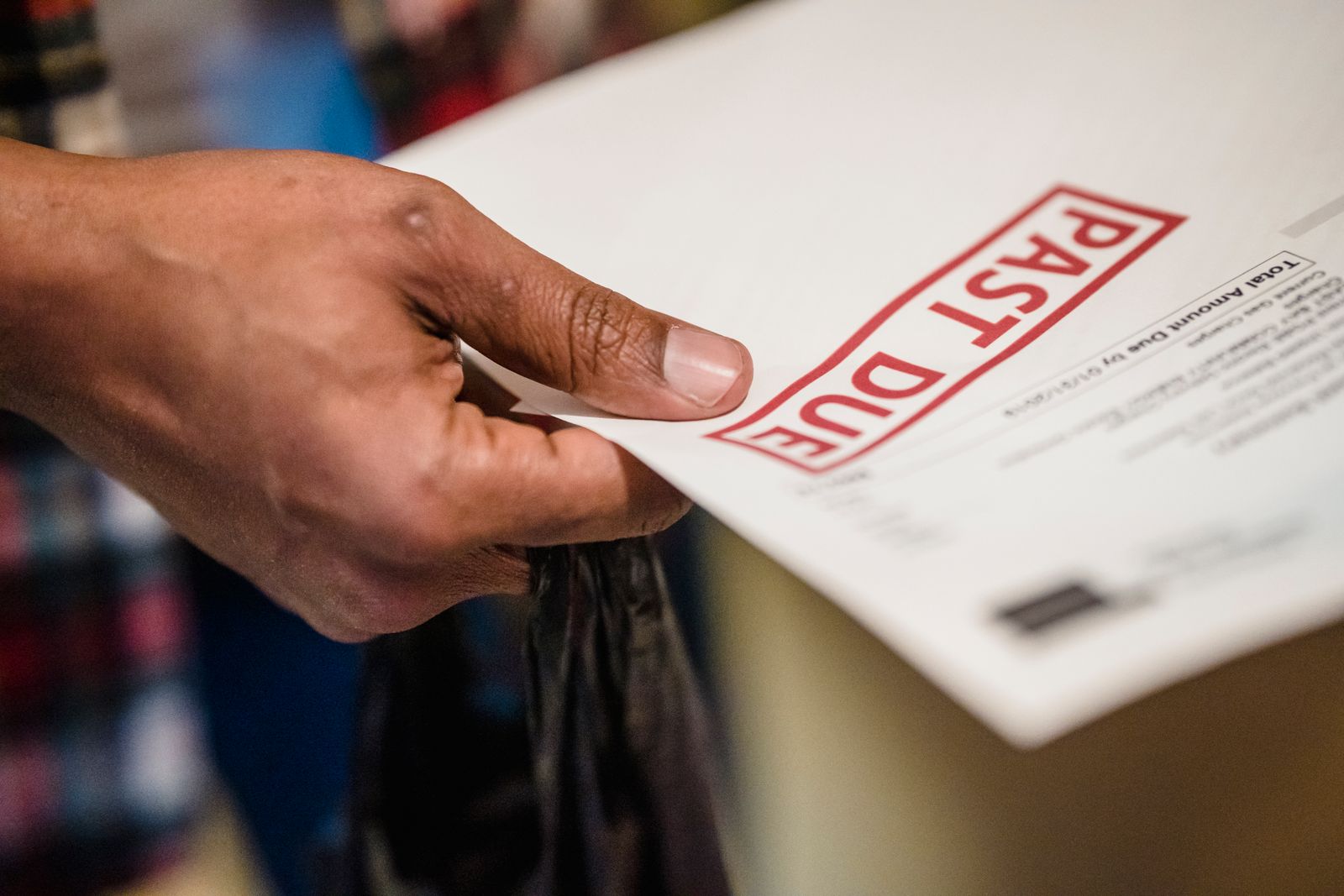
A $4,800 emergency room bill lands in the mailbox, and the first instinct is to pay it fast or ignore it. Neither is a good plan. The number on a hospital bill is a starting price, not a final price. Hospitals set listed charges from an internal price list called a chargemaster, and a Health Affairs study found the typical hospital charged 3.4 times what Medicare allows. KFF estimates Americans owed at least $220 billion in medical debt in 2024. Yet most people who push back get somewhere: a LendingTree survey found 93% of negotiators got at least a partial reduction. The order matters: check the bill, ask for charity care, then negotiate. All figures were checked on November 11, 2026.Photo: A bill stamped "past due" is not the end of the story - the number on it is a starting price. (Photo: Pexels) What You Will LearnWhy the first bill is a starting price How to check an itemized bill for errors Charity care, and who qualifies Cash prices and prompt-pay discounts The $400 Good Faith Estimate dispute Payment plans and protecting your creditStep 1: Get the itemized bill and check every line What to do: Before you pay a dollar, ask the billing office for a fully itemized bill and go through it line by line. How: The first statement most hospitals send is a summary: a few categories and a total. You cannot check a total. Call the billing number and ask for the itemized version: every charge with its date, description, billing code, quantity, and amount. If you used insurance, compare it with your Explanation of Benefits (EOB). Look for the usual errors: a charge listed twice, a service on a day you were not there, or a drug you never received. When you find a wrong line, call billing, name the line and code, and ask for a written correction. Example: Maria's $4,800 bill listed the same $450 lab test twice. Billing removed it, and the balance fell to $4,350. Common mistake: Paying the summary total without ever seeing the itemized bill.Illustrative diagram - The six steps to negotiate a medical bill, in the order that saves the most. NOT a real hospital screenshot. Step 2: Ask for charity care before you negotiate What to do: Ask for the hospital's financial assistance application — charity care — before you haggle. How: Nonprofit hospitals — most US hospitals — must have a financial assistance policy under IRS Section 501(r), with income limits tied to the Federal Poverty Level (FPL). Many offer free care at or below 200% of the FPL and sliding-scale discounts up to 400% or more. For 2026, the FPL for one person in the 48 contiguous states and DC is $15,960: 200% is $31,920, 400% is $63,840. A family of four: $33,000, so $66,000 at 200% and $132,000 at 400%. You have at least 240 days from the first post-discharge bill to apply, and no extraordinary collections for 120 days. If you qualify, you pay no more than insured patients. Ask for the application even if you are unsure you qualify. Example: Maria earns $45,000 and lives alone — between 200% and 400% of the FPL — so her hospital's sliding scale cut her $4,350 balance in half, to $2,175. Common mistake: Assuming charity care is only for people with no income.Illustrative diagram - The listed charge is a starting price: the typical hospital charged 3.4 times the Medicare-allowable cost. NOT a real CMS screenshot.Photo: Work from the itemized bill, not the summary total - and keep every corrected statement. (Photo: Pexels)Illustrative diagram - 2026 charity care income cutoffs, from the HHS poverty guidelines. NOT a real IRS screenshot. Step 3: Ask for the cash price and compare it with Medicare What to do: Ask billing for the self-pay or cash price, then check it against Medicare's rate. How: Hospitals keep a separate, lower rate for cash patients, often reported at 40% to 70% below the listed charge. Ask: "What is the cash-pay rate for this bill?" Then look up the Medicare rate for the same procedure — search the procedure name plus "Medicare rate," or check the free FAIR Health Consumer tool. If your bill is several times the Medicare rate, that gap is your negotiating leverage. A cash price usually does not count toward your deductible or out-of-pocket maximum, so compare both routes first if you expect to meet your deductible this year. Example: Maria's $4,800 bill carried about $1,400 in Medicare-allowable cost at the typical 3.4-times markup — proof the charge was negotiable. Common mistake: Accepting the listed charge as the real price.Illustrative diagram - Maria's bill: $4,800 down to $1,740 in three steps. NOT a real hospital screenshot. Step 4: Negotiate the balance and ask for a prompt-pay discount What to do: Call billing with your corrected balance, name a lower number, and ask for a prompt-pay discount. How: Billing departments negotiate every day, and they would rather collect something now than sell the debt for cents on the dollar. Start by asking for 25% to 30% off the corrected balance, leaving room to settle lower. Then ask: "If I pay the full balance today, what discount can you offer?" Prompt-pay discounts are typically reported at 10% to 30% off for paying in full, often within 30 days. If you cannot pay in full, offer a lump sum you can afford. Get the deal in writing: the new balance, the discount, and that the account is settled in full. Example: Maria's balance after charity care was $2,175. Paying in full earned a 20% prompt-pay discount, taking it to $1,740 — $3,060 saved from $4,800, about 64%. Common mistake: Negotiating from the original billed total instead of the corrected balance.Photo: Name a number, ask for the prompt-pay discount, and get the deal in writing before you pay. (Photo: Pexels)Illustrative diagram - The federal dispute process for a bill $400 or more above your Good Faith Estimate. NOT a real CMS screenshot. Step 5: If you paid cash and the bill beat the estimate, dispute it What to do: If you paid cash and your final bill came in $400 or more above the written Good Faith Estimate, start the federal dispute process. How: Under the No Surprises Act, providers must give uninsured and self-pay patients a Good Faith Estimate before scheduled, non-emergency care. If one provider's final bill is $400 or more above that estimate, you can file a patient-provider dispute for a $25 fee. You have 120 calendar days from the bill date, and an independent arbitrator decides what you owe. While the dispute is pending, the provider cannot send the bill to collections or charge late fees. This is only for uninsured or self-pay patients — an insurance denial goes through an appeal. Example: A self-pay patient gets a $2,000 estimate for a scan and a $2,600 bill — $600 over, so the $400 rule is met and a dispute can be filed within 120 days for $25. Common mistake: Missing the 120-day window, or using this process for an insurance denial. Step 6: Set up a payment plan and protect your credit What to do: If you cannot pay the reduced balance in full, set up a written payment plan and keep the bill off your credit report. How: Hospital payment plans are usually interest-free, but some carry an acceleration clause: miss a payment and the whole balance falls due at once. Ask the monthly amount, the length, and the missed-payment rule — and get it in writing. Do not ignore the bill: at a nonprofit hospital, extraordinary collections cannot start for at least 120 days, but other providers can move faster, commonly in 30 to 90 days (reported). The three bureaus' own policies still apply in 2026: a medical collection cannot appear until 12 months after collections, paid collections are removed, and balances under $500 are excluded. These are voluntary bureau policies, not a federal ban: the CFPB rule banning all medical debt from reports was vacated in July 2025. Check your reports at AnnualCreditReport.com. Example: Maria took a 12-month, interest-free plan at $145 a month, in writing, with no acceleration clause. Common mistake: Paying by credit card, or ignoring the bill until collections.Illustrative diagram - Six mistakes that cost patients money. NOT a real CMS screenshot. ChecklistItemized bill requested, every line checked. Wrong charges corrected in writing before I pay. Financial assistance application requested, even if unsure I qualify. Cash price asked for, checked against the Medicare rate. Prompt-pay discount asked for, deal confirmed in writing. Payment plan in writing, interest-free. Credit reports checked at AnnualCreditReport.com.FAQ Can you really negotiate a medical bill?Yes. A LendingTree survey found 93% of negotiators got at least a partial reduction, and 38% of challengers in a Commonwealth Fund survey had their bill reduced or eliminated. What is charity care, and who qualifies?Charity care is financial assistance nonprofit hospitals must offer under IRS Section 501(r). Many offer free care at or below 200% of the Federal Poverty Level ($31,920 for one person in 2026) and discounts up to 400% ($63,840) — always ask for the application. What if my bill beats my Good Faith Estimate?If you were uninsured or self-pay and one provider's bill is $400 or more above the written estimate, you can start the federal dispute within 120 days for $25, and an independent arbitrator sets what you owe. How long before a medical bill hurts my credit?Under the bureaus' own policies, a medical collection cannot appear until 12 months after collections, paid collections are removed, and balances under $500 are excluded. I am retired on Social Security — does that change anything?A fixed income often puts you inside a hospital's charity care limits — ask for the application. See how Social Security benefits work in 2026. SourcesCMS, No Surprise Billing (opened live November 11, 2026): https://www.cms.gov/nosurprises IRS, Billing and Collections — Section 501(r)(6) (opened live November 11, 2026): https://www.irs.gov/charities-non-profits/billing-and-collections-section-501r6 HHS, Poverty Guidelines (opened live November 11, 2026): https://aspe.hhs.gov/topics/poverty-economic-mobility/poverty-guidelinesAll figures checked November 11, 2026, against CMS, the IRS, HHS, KFF, the Commonwealth Fund and LendingTree. Disclaimer: For education only, not medical, legal or financial advice. Policies and rules vary by provider and state.

- Ashu
- 11 Nov, 2026
Best Side Hustles to Make Extra Money in 2026 — What They Really Pay Per Hour
An app advertises $25 an hour. You drive three hours, earn $66, spend $18 on gas and wear, and keep $48 before tax. That is $16 an hour — and after setting money aside for tax, about $12 in your pocket. That gap is the whole story of side hustles in 2026. The surveys cannot agree what the typical side hustler earns: Bankrate's 2025 median is $200 a month, LendingTree's 2026 median is $400, and The Penny Hoarder's 2026 central figure is $1,275. Same country, three answers — because they asked different people. This guide ranks hustles by net hourly profit after expenses and tax. All figures were checked on November 11, 2026.Photo: The headline rate is not your pay — net hourly profit after costs and tax is. (Photo: Pexels) What You Will LearnHow to work out your real net hourly pay What skilled work, gig work and surveys pay per hour Why the three big surveys disagree A 30-day test that costs almost nothing The tax routine: what to set aside, which forms to expect When to scale, switch or stopStep 1: Work out your net hourly rate first What to do: Learn the one formula that judges every hustle: net hourly pay equals gross pay minus expenses minus platform fees, divided by every hour the work took. How: Count all the hours, not just the paid ones — waiting, driving, messaging, pitching, invoicing. A writer billing $50 an hour for four hours, plus two hours pitching and admin, earned $200 for six hours: $33 an hour before fees. For a benchmark, the Bureau of Labor Statistics puts the national mean hourly wage at $33.54 in May 2025 (median $24.51, reported). A hustle paying $16 an hour net is below the typical American wage — fine for extra cash, but not a replacement income. Example: Tom's $300 design job: $30 platform fee, $10 assets, six hours. Net: $260 divided by 6, about $43 an hour. Common mistake: Dividing your pay by billable hours only, and calling the answer your wage.Illustrative diagram - The six steps to a side hustle that actually pays. NOT a real IRS screenshot. Step 2: Pick a lane by what you already know What to do: Choose a hustle that uses a skill you already have — skilled work pays three to five times gig work per hour. How: The reported 2026 ranges tell the story. Freelance writing and design pay about $25 to $75 an hour, online tutoring about $18 to $45, and test preparation up to $50 to $150 (reported). Rideshare pays about $15 to $28 an hour net in peak hours, food delivery about $12 to $22 net, and paid surveys about $3 to $8 (reported). The top end takes longer: The Penny Hoarder reports its top 10% earning $3,000 to $8,000 a month from consulting, freelancing and established digital products (reported). Most hustles take months to reach steady income. Example: Priya, a teacher, tutors two students at $40 an hour for five hours a week — $200 gross. Her friend drives delivery fifteen hours a week at $16 an hour net and earns $240, for three times the hours. Common mistake: Picking the hustle with the biggest advertisement instead of the best rate for the skills you already have.Illustrative diagram - Net hourly pay by hustle in 2026 (reported ranges). NOT a real BLS screenshot.Photo: Delivery pays fast, but gas, wear and waiting time cut the hourly rate. (Photo: Pexels) Step 3: Test it for 30 days at five hours a week What to do: Run a small, cheap test before you spend money on equipment, courses or ads. How: Most side hustlers work very few hours: 54% spend under five hours a week (reported). Copy that. Give it five hours a week for four weeks, tracking every hour, mile and fee. Then use the Step 1 formula. Under $12 an hour net, change lanes or stop; over $25, you have something worth growing. Example: Maya tests tutoring: five hours a week at $30 an hour is $600 gross; her platform takes 18% ($108), so she nets $492 for 20 hours — $24.60 an hour. Common mistake: Buying equipment, paying for a course or cutting main-job hours before the 30-day test proves the hustle pays.Illustrative diagram - Three surveys, three answers: they sampled different hustlers. NOT a real survey screenshot. Step 4: Price your real costs honestly What to do: List every cost the hustle creates, then subtract it before you celebrate the pay. How: Take a delivery shift: three hours on the app pays $66 gross. Say you drive 60 miles at about 30 cents a mile for gas and wear: $18. Net: $48 for three hours, or $16 an hour. Set aside 25% for tax ($12), and your take-home is $36 — $12 an hour. Fees work the same way: Fiverr takes 20% of each order; tutoring platforms take roughly 18% to 33% (reported). Example: A driver counting only the $66 gross thinks she earns $22 an hour. After gas, wear and tax, she keeps $12 — nearly half the headline number. Common mistake: Calling gross pay your profit, and forgetting gas, fees, waiting time and tax.Illustrative diagram - A $22-an-hour delivery shift is $12 an hour after costs and tax. NOT a real app screenshot. Step 5: Set up the tax routine from the first dollar What to do: Treat every payment as partly the taxman's from the day it arrives, and keep it separate. How: All side income is taxable, even with no form — the IRS says report gig income even if part-time, paid in cash, or unreported. The 1099-K rule is about reporting, not tax: apps and marketplaces must send one only when your gross payments exceed $20,000 and you have more than 200 transactions in the year — both conditions (IRS 1099-K FAQs). Direct clients must send a 1099-NEC at $2,000 or more for 2026 payments. If your net self-employment earnings reach $400, you owe 15.3% self-employment tax on 92.35% of net earnings (Schedule SE; Social Security part up to $184,500 in 2026). The routine: a separate account, 25% to 30% of every payment moved in the day it arrives, estimated tax paid quarterly. For the full routine, see our guide to freelancer taxes in the USA in 2026. Example: You net $1,000 profit in a month. Self-employment tax is 15.3% of 92.35% of $1,000, or about $141; income tax at the 12% bracket adds about $120. Total: about $261 — so setting aside $250 to $300 was the right call. Common mistake: Spending the full payout, then finding a tax bill in April with no money set aside.Photo: Tutoring is skilled work — it pays more per hour than delivery, but the platform takes a cut. (Photo: Pexels)Illustrative diagram - Tax on $1,000 of net side hustle profit. NOT a real IRS screenshot. Step 6: Decide at 90 days — scale it, switch it, or stop it What to do: After three months, judge the hustle on its numbers and decide. How: Scale it if your net pay is above $25 an hour, clients come back, and you have a waiting list — raise your rate first, then add hours. Switch lanes if your net pay is still under $12 an hour, or if costs rise faster than pay. At $12 an hour take-home, ten hours a week is $120 a week, about $520 a month — useful, not life-changing. If your main job pays more per hour, keep the hustle a side income. Example: After 90 days, Maya's tutoring nets $26 an hour with three regular students, so she raises her rate to $40. Her brother's delivery work still nets $12 an hour, so he keeps it at five hours a week and stops trying to grow it. Common mistake: Quitting your job for a hustle that pays less per hour than your day job.Illustrative diagram - Six mistakes that shrink side hustle pay. NOT a real IRS screenshot. ChecklistMy net hourly pay. A lane that matches a skill I already have. A 30-day test, every hour and cost tracked. A separate account with 25% to 30% of every payment set aside. 1099 forms checked, and all income reported. A 90-day decision: scale, switch or stop.FAQ How much does the average side hustler actually earn?The surveys disagree: Bankrate's 2025 survey: average $885 a month, median $200. LendingTree's 2026 survey: average $1,242, median $400. The Penny Hoarder's 2026 survey: central figure $1,275 a month. What is the best-paying side hustle per hour?Skilled work: test prep is reported at $50 to $150 an hour, freelance writing and design at $25 to $75, online tutoring at $18 to $45. Rideshare and delivery pay about $12 to $28 an hour net, surveys about $3 to $8. Do I have to pay tax on side hustle income if I do not get a 1099?Yes. The IRS says all gig income is taxable even if no form arrives. The 1099-K threshold — over $20,000 and over 200 transactions — only decides whether a payment app must send you a form. How many hours a week do side hustlers work?Most work very few hours: 54% spend under five hours a week (reported). The Penny Hoarder's 2026 survey found its side hustlers working about 13 hours a week (reported). How do I start a side hustle with no money?Start with a skill you already have — writing, tutoring, design, driving — list yourself on free platforms, and test it for 30 days at five hours a week. Check the platform is real first: see our guide to how to find a legitimate remote job in the USA in 2026. SourcesInternal Revenue Service, Gig Economy Tax Center (opened live November 11, 2026): https://www.irs.gov/businesses/gig-economy-tax-center Internal Revenue Service, Form 1099-K FAQs: General information (opened live November 11, 2026): https://www.irs.gov/newsroom/form-1099-k-faqs-general-information U.S. Bureau of Labor Statistics, Occupational Employment and Wages, May 2025 — nationwide mean hourly wage $33.54 (opened live November 11, 2026): https://Data.Bls.gov/regions/southwest/news-release/2026/occupationalemploymentandwages_houston_20260813.htmAll figures checked November 11, 2026. Disclaimer: For education only, not tax or financial advice. Survey figures are reported by their publishers; your earnings will differ.